
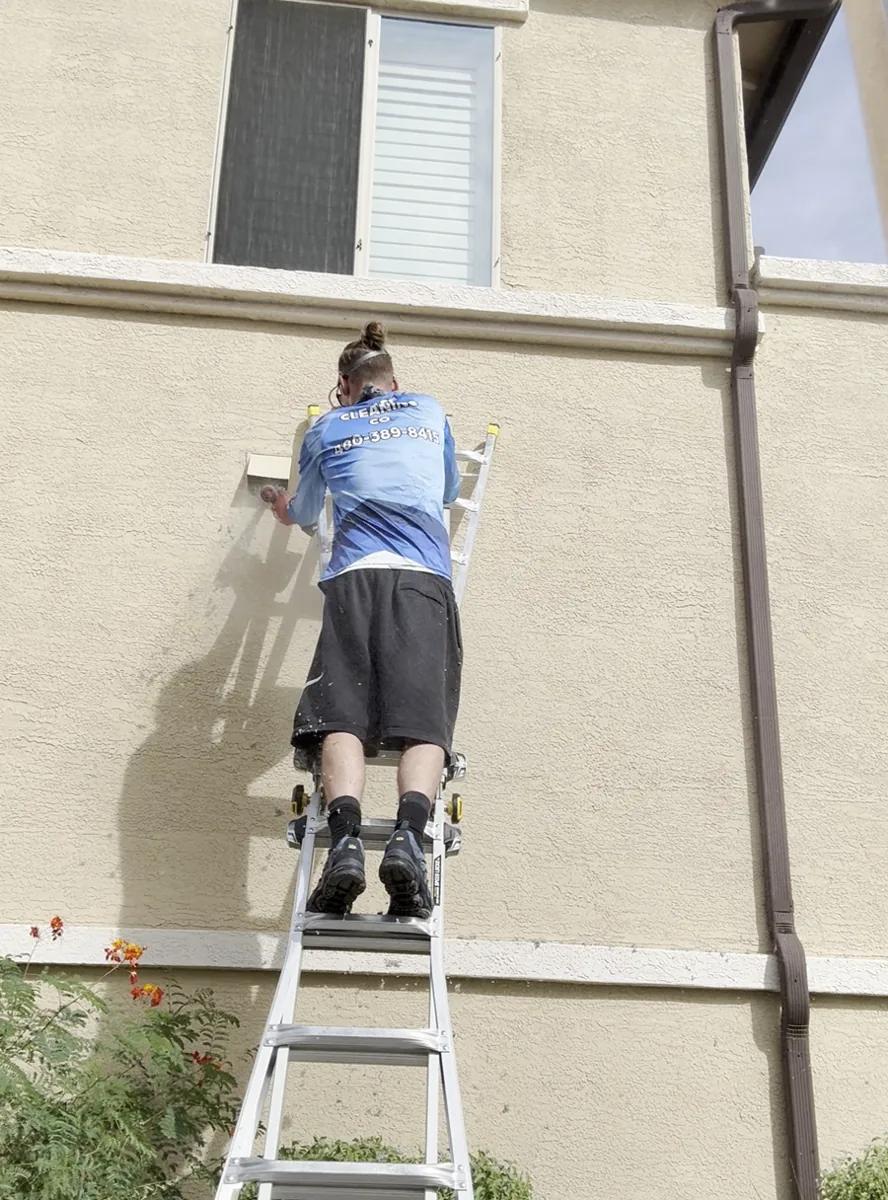
Dryer vent cleaning does not follow a season the way air duct cleaning loosely tracks monsoon dust. Lint builds up year-round. But there is still a real reason fall is the smartest time to get it done, and it has less to do with the vent and more to do with what is about to happen to your laundry routine.
Your Dryer Is About to Work Harder
Summer in the Valley means smaller, more spread-out laundry loads for a lot of households. Once fall activities start, that changes fast. Sports uniforms, practice gear, and towels enter the rotation multiple times a week. As temperatures drop, heavier clothing and bedding show up too. By the holidays, guest linens and extra loads from hosting push usage higher still.
A vent that has been quietly accumulating lint all year does not cause many visible problems at a few loads a week. Once usage increases, a restricted vent shows itself through longer dry times, a dryer that runs hot, or a burning smell partway through a cycle.
The Fire Risk Is Real
Lint is highly flammable, and a clogged vent is one of the more common causes of house fires homeowners do not think about. The mechanism: lint accumulates along the vent, airflow gets restricted, the heating element works harder and stays hotter, and that heat has direct contact with a flammable material in a duct that often runs through a wall or attic.
Arizona homes carry specific risk factors. Vent runs are frequently longer than in other parts of the country, and roof-terminated vents build lint faster than a short straight run to an exterior wall.
What Increased Usage Costs You
A dryer working against restricted airflow runs longer to dry the same load. Over a season where usage doubles or triples, that inefficiency compounds. There is also wear on the dryer itself, since a unit regularly pushing against a restricted vent puts more strain on its heating element and motor.
How Your Vent Layout Affects the Schedule
Longer runs. The farther the vent travels, the more surface area lint has to catch on. A laundry room in the center of the home almost always means a longer run than one against an exterior wall.
Every bend adds resistance. Airflow slows at each turn, and slower airflow means lint settles out of the airstream and sticks to the duct wall.
Roof versus wall terminations. Roof exits typically mean a longer run with a vertical section and more bends. It is one of the more reliable predictors of a vent needing attention more often than average.
Vent material. Rigid metal moves air more efficiently than flexible foil or plastic, which sags, kinks, and creates low points where lint collects.
Signs You Should Not Wait Until Fall
Clothes taking two or more cycles. The dryer or laundry room unusually hot. A burning or musty smell during a cycle. Visible lint around the outside vent cover. More than a year since the last cleaning, or you are not sure.