
Tolleson is a small city with an outsized industrial and logistics base, and its commercial dryer work leans toward on-site laundries, uniform and workwear operations, and workforce housing.
Pfaff Cleaning Co. is locally owned, with the owners overseeing every job. See our full process and service area on the main commercial dryer vent cleaning page.
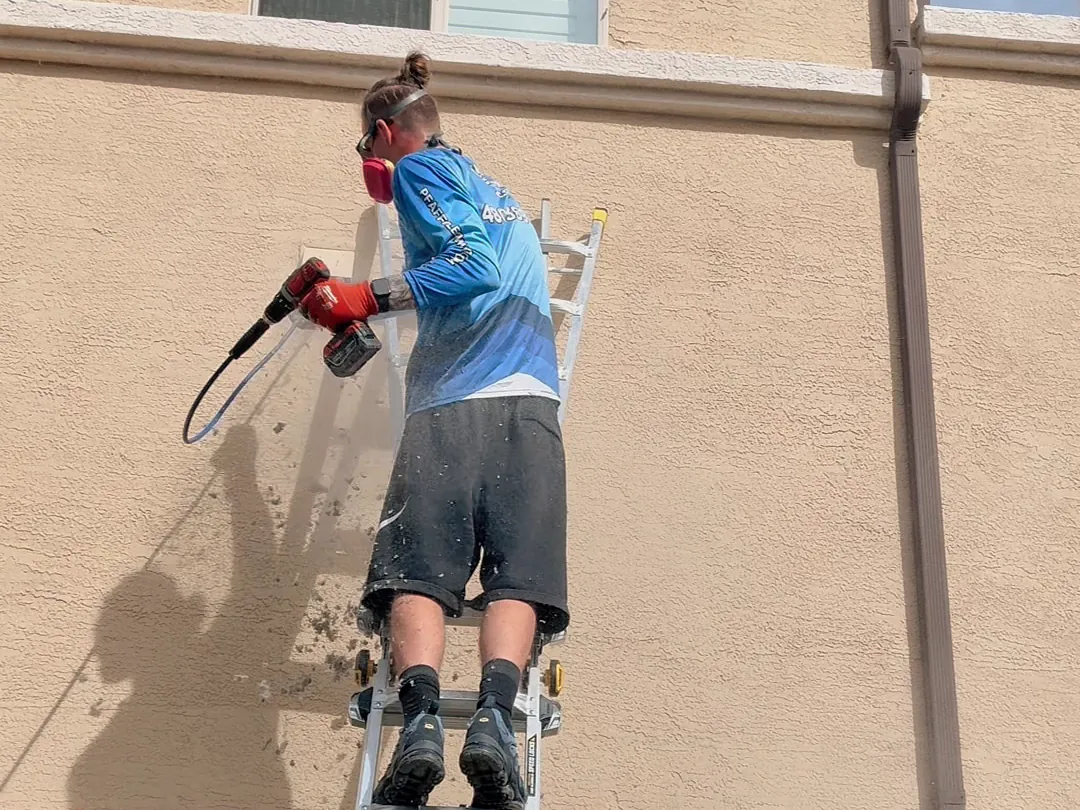
Per unit, and the rate is set by how many units the property has. Nothing else moves it. Every unit includes the full vent line and the vent cover on the outside wall, well past the part you can see from outside.
$750 minimum per commercial visit, with one exception: monthly sanitizing accounts run a $500 minimum. Any property at 10 units or more clears the $750 on vents alone. Net 30 is standard on jobs over $5,000, since most managers need an approval and an AP cycle before anything gets paid, and we would rather fit that process than fight it.
No contract and no commitment discount. Your tenth visit is priced the same as your first. Rates move with unit count and nothing else, since a bigger property is more efficient per unit for us to service.
All we need is how many units you have and how many stories the buildings are. Unit count sets the rate. The number of floors shows us how much of the job is ladder work from outside and how many units will need someone to let us in.
That means you can price the job yourself and show an owner exactly where every dollar comes from before anyone comes out. We do not need to walk the property to price it, and if the real count differs from the estimate you are billed for the actual count at these same rates.
Call (480) 389-8415 with your unit and floor count.
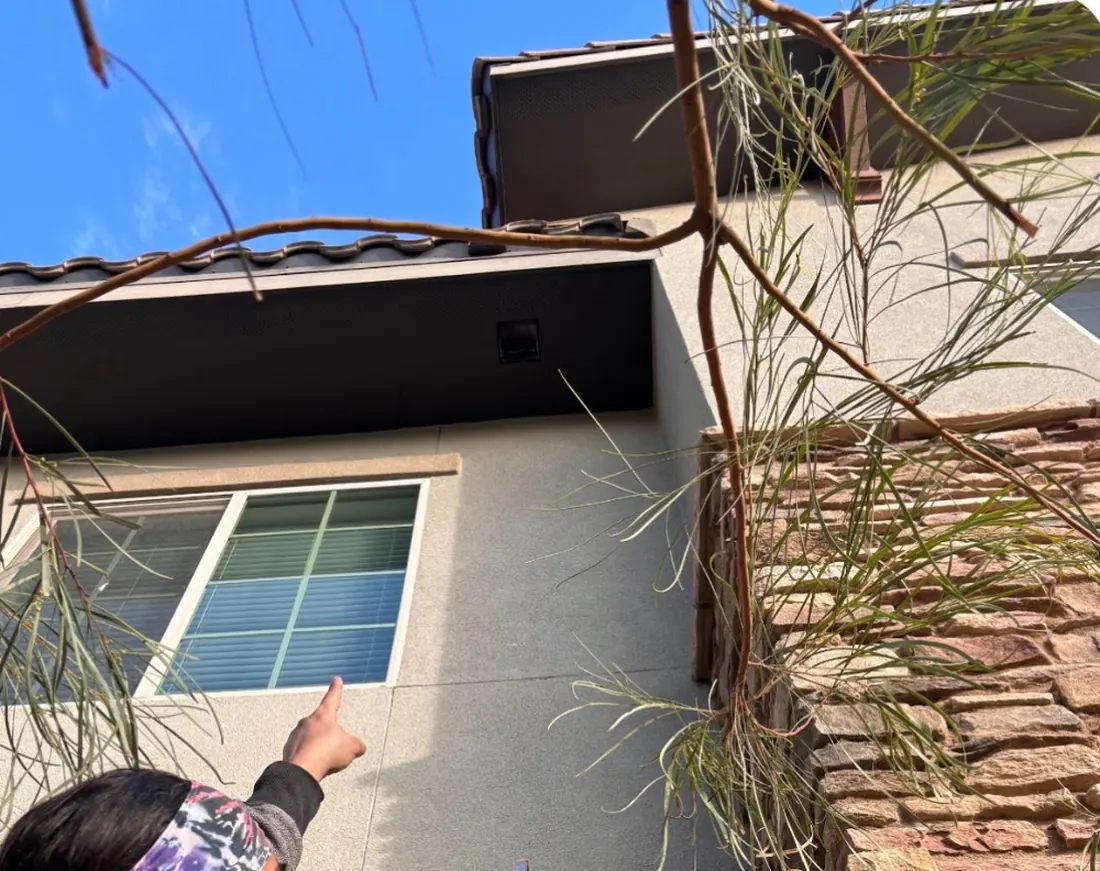
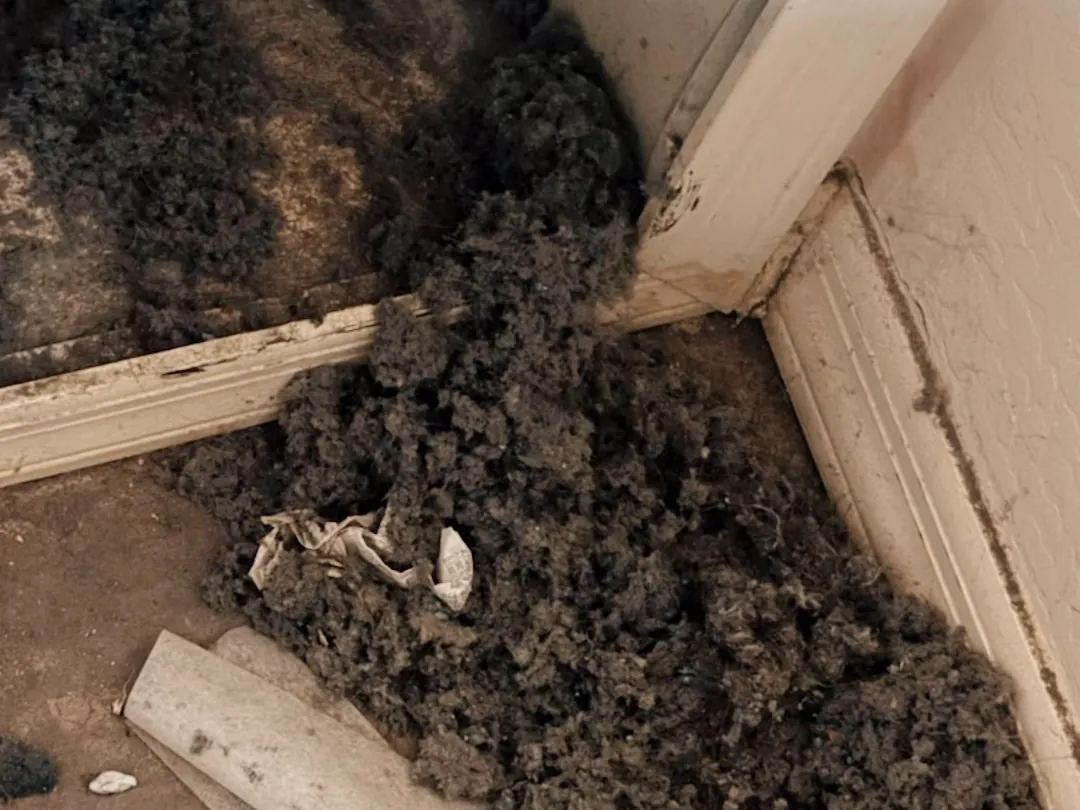
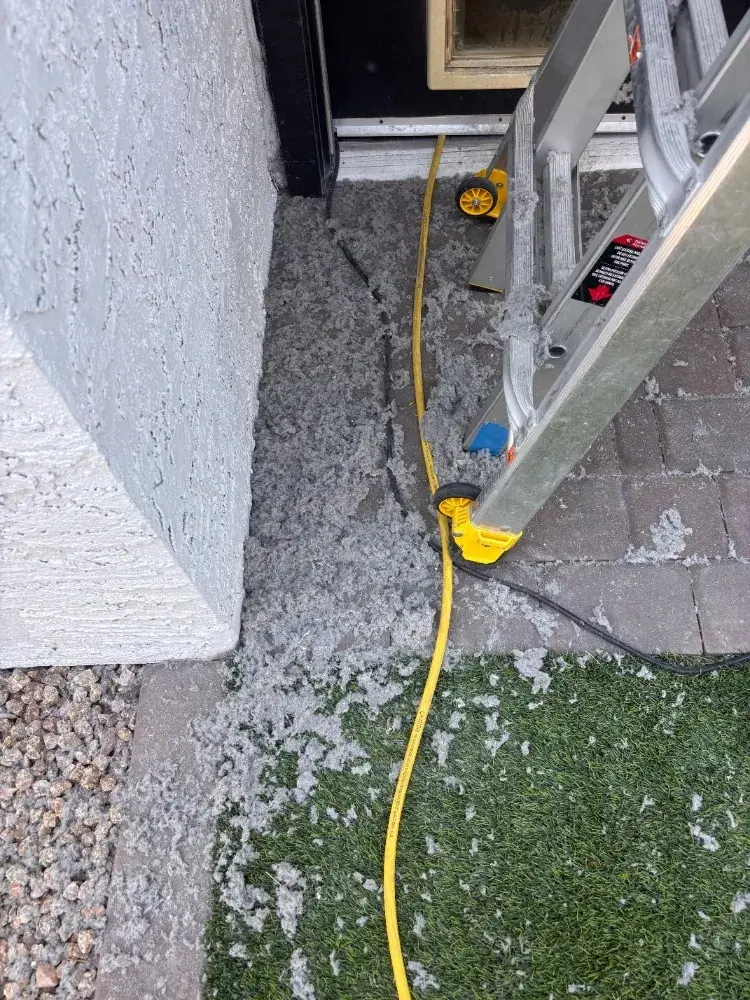
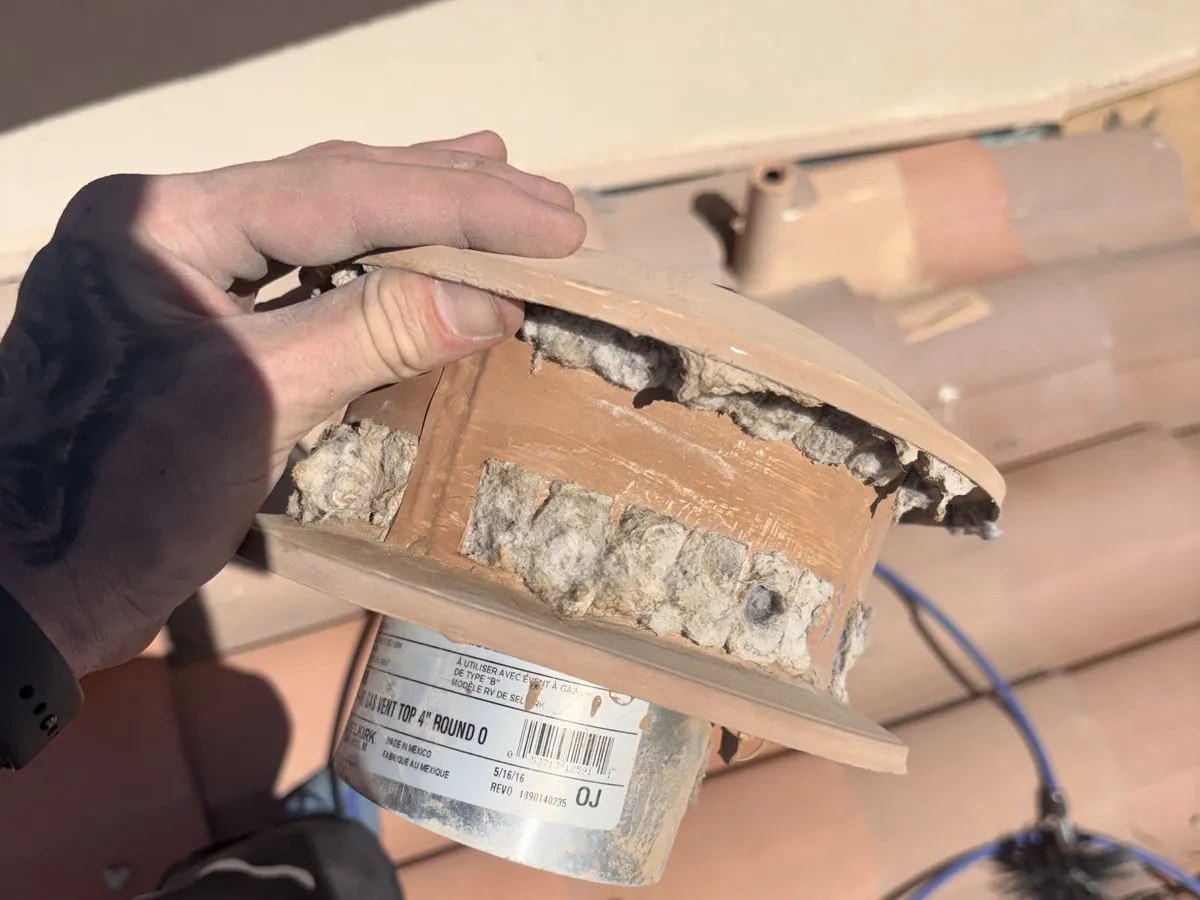
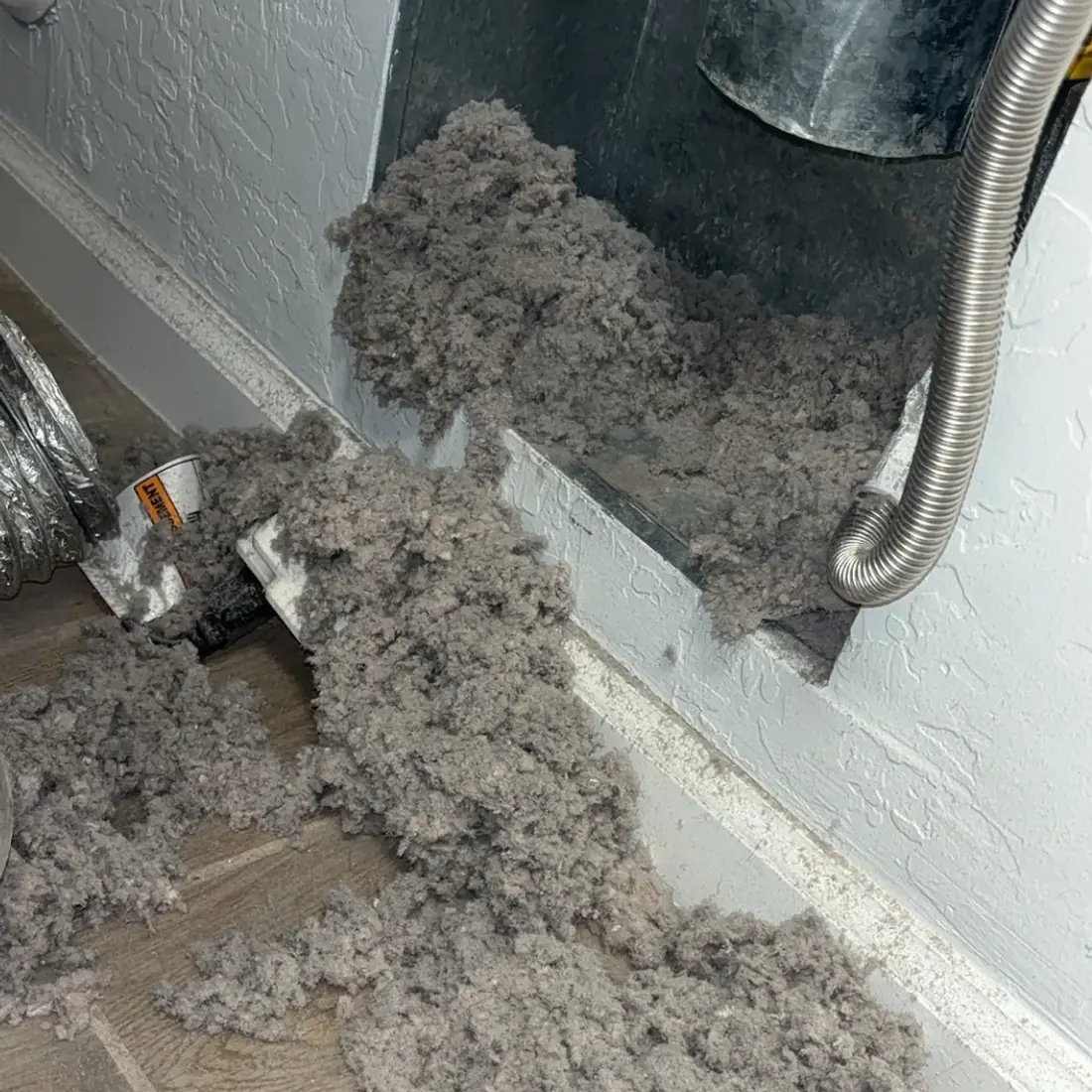
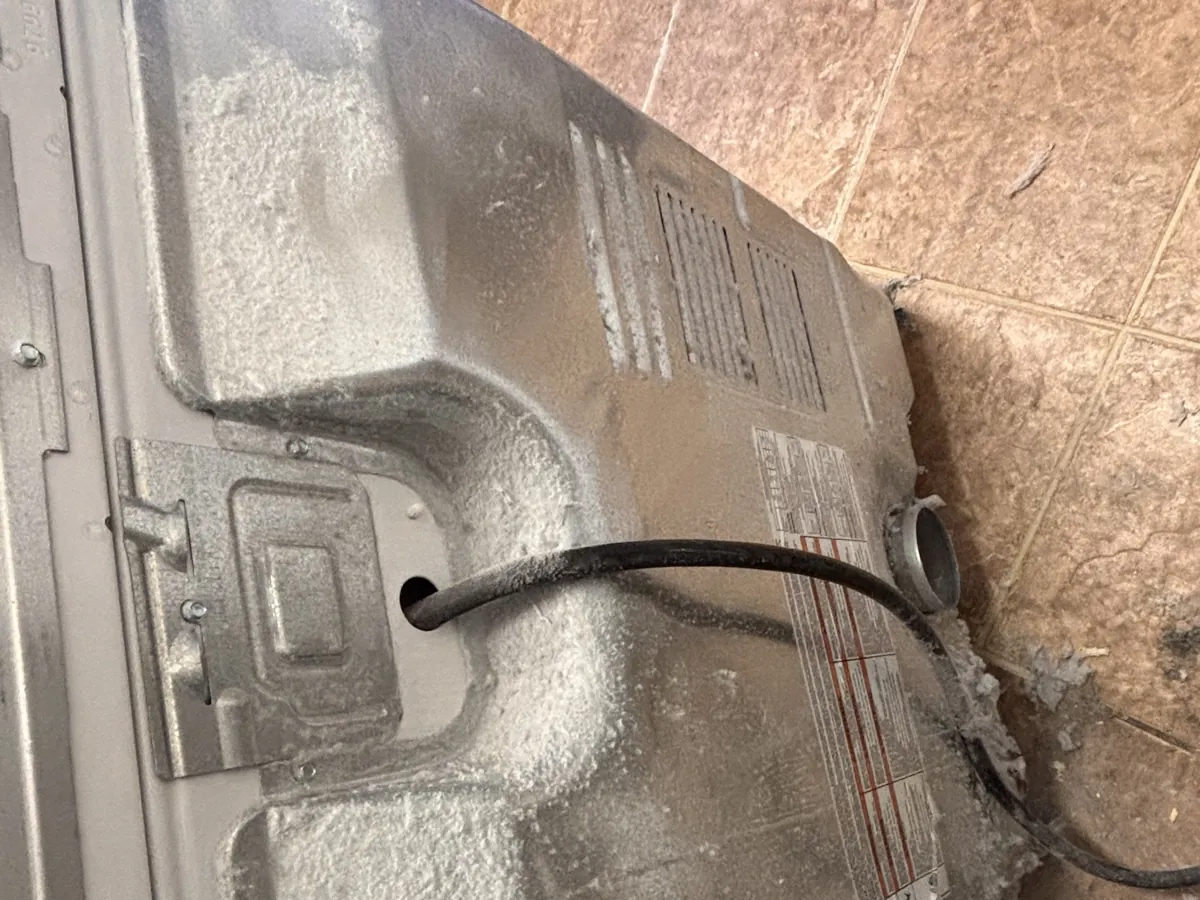

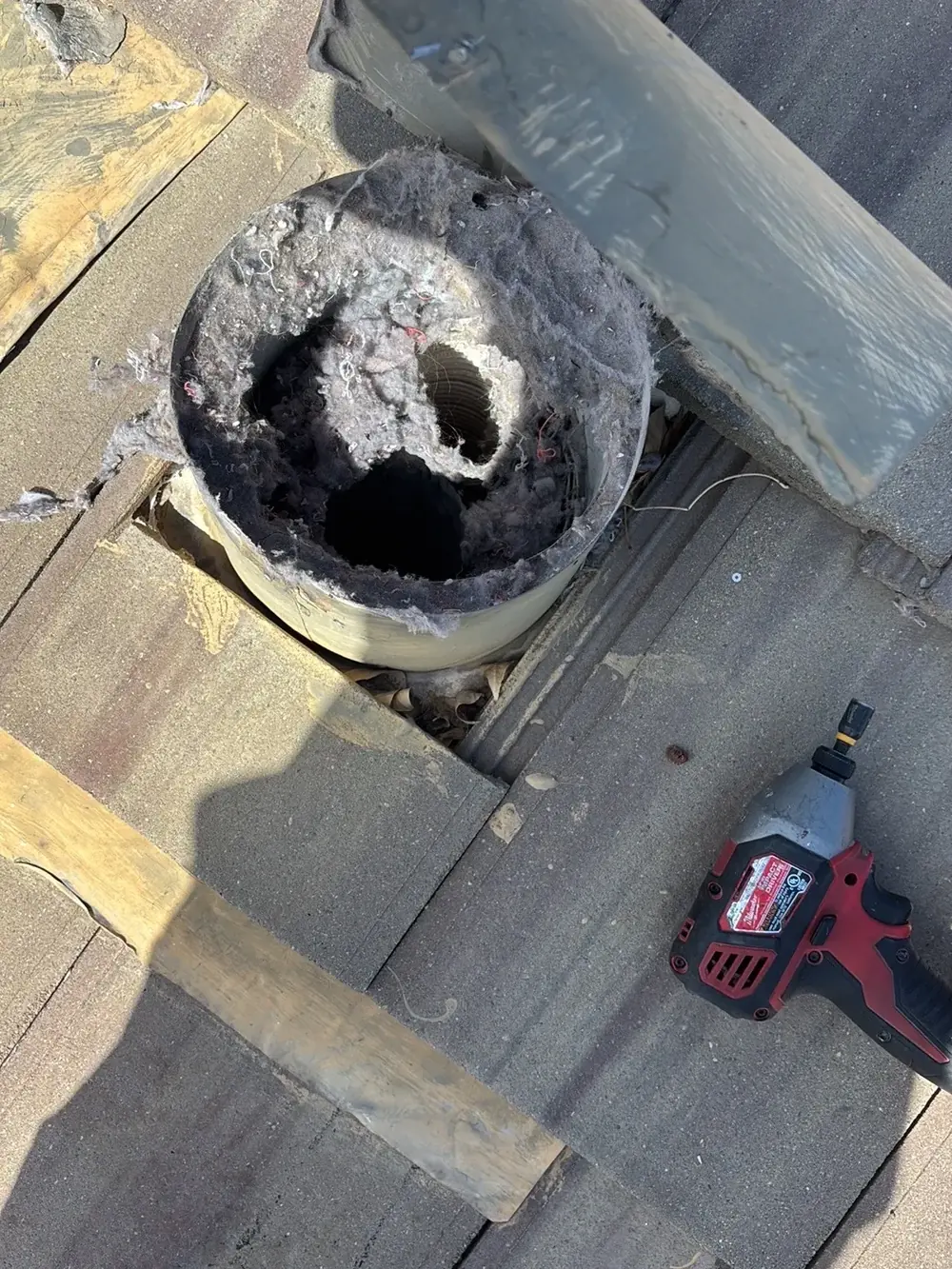
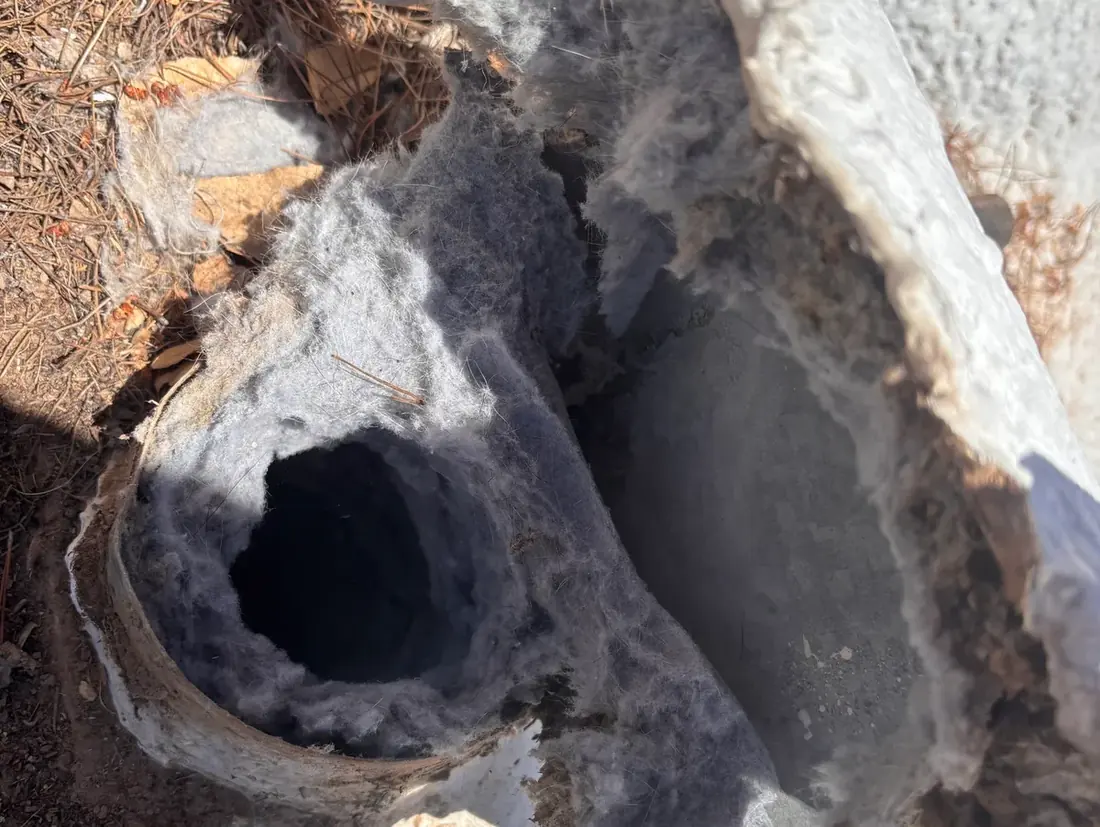
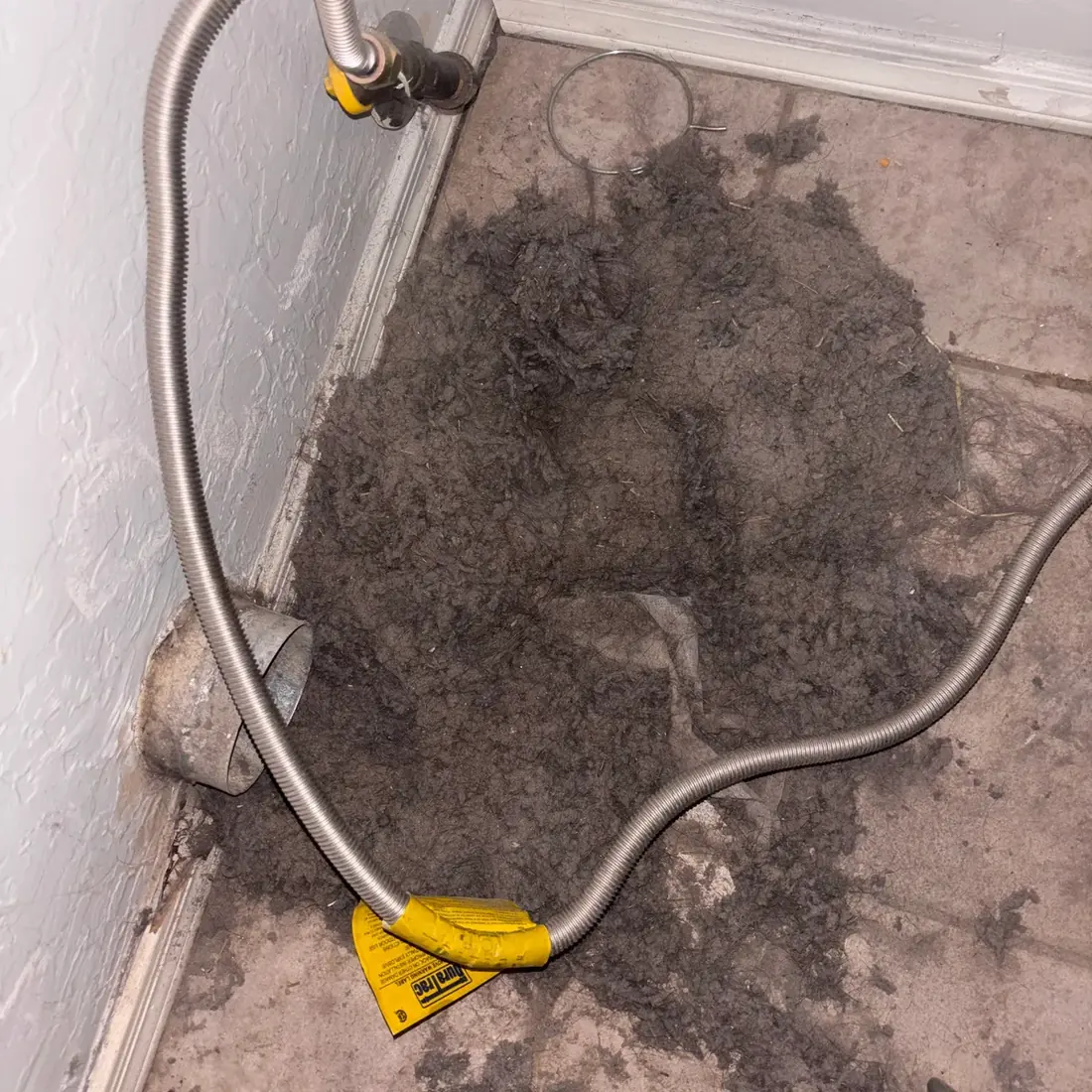
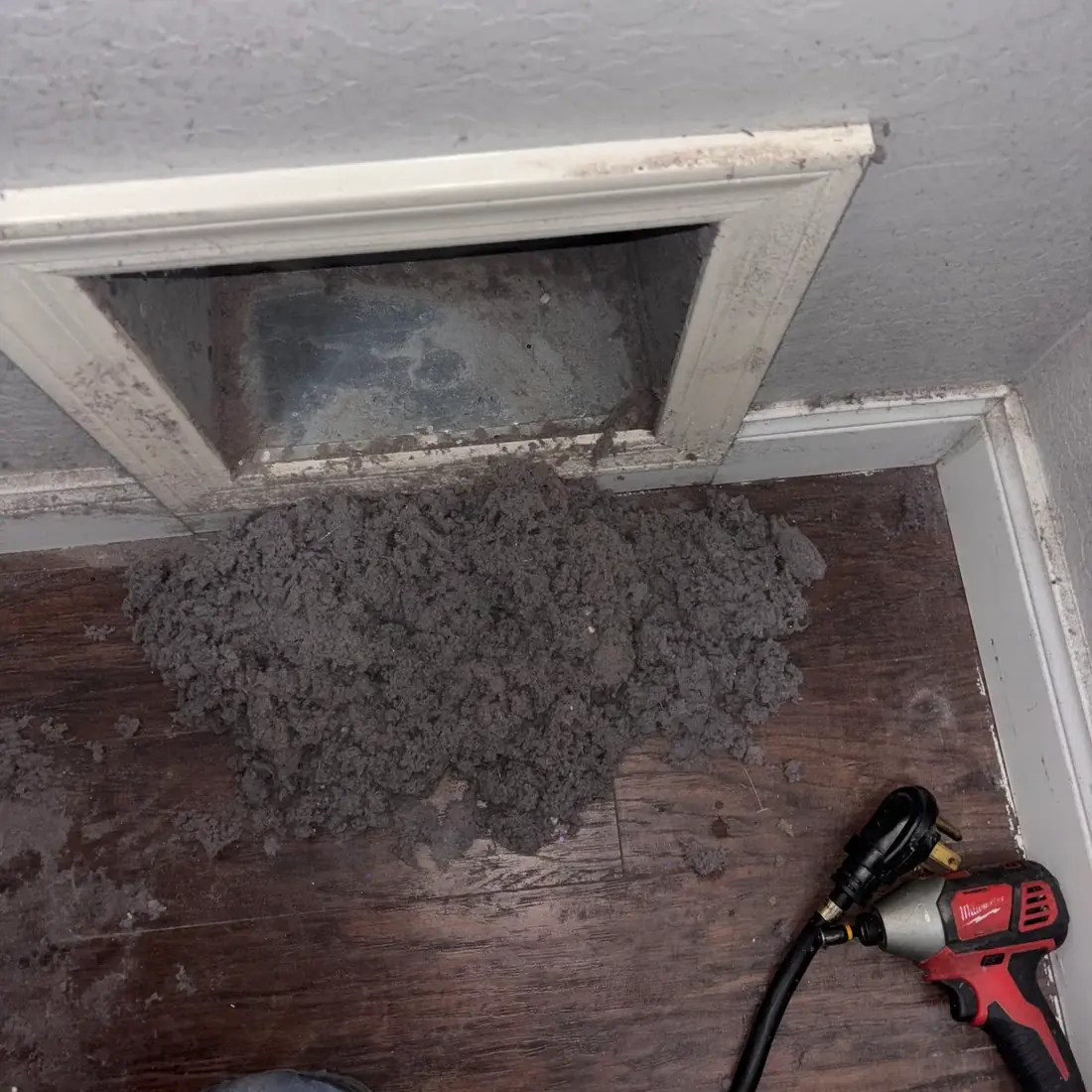
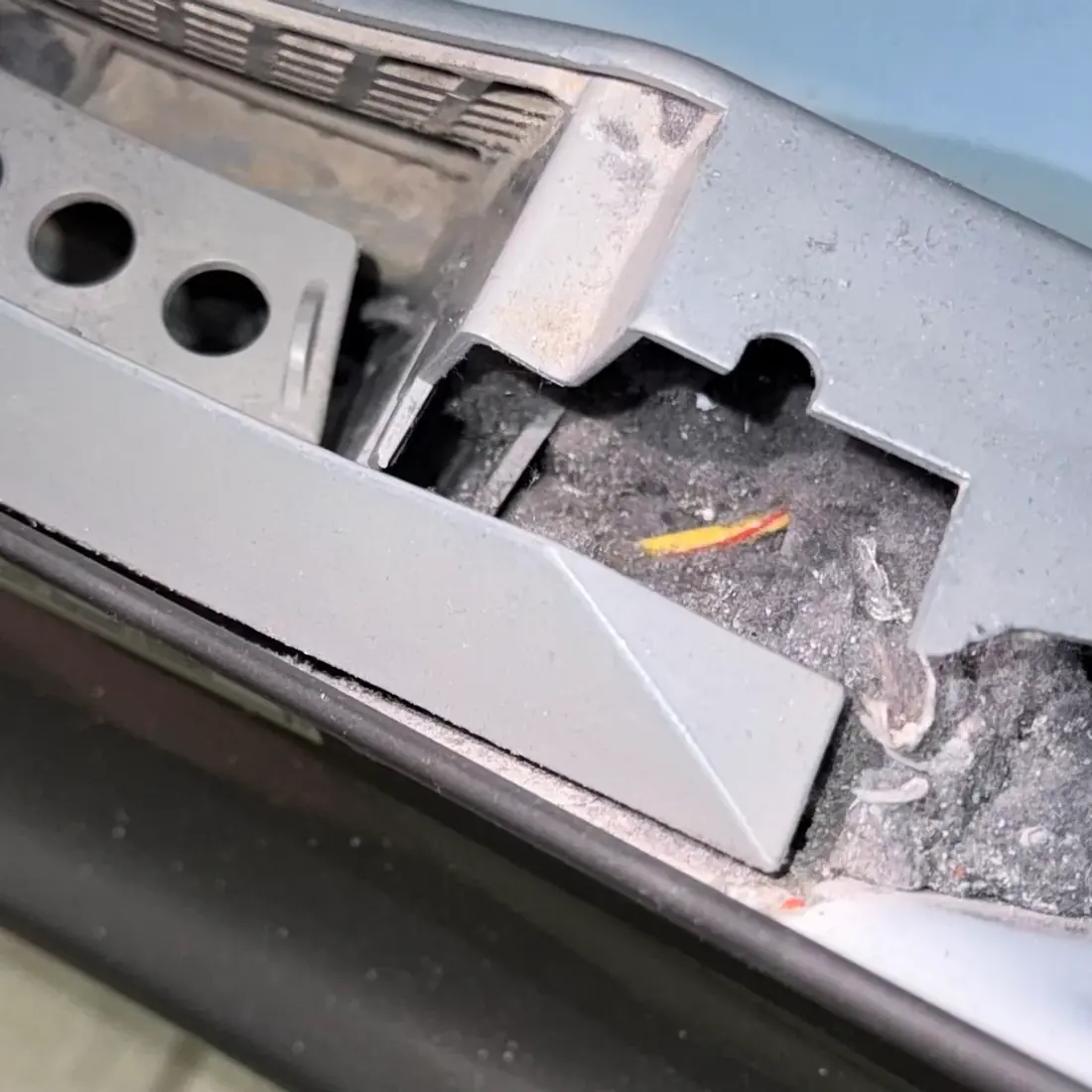
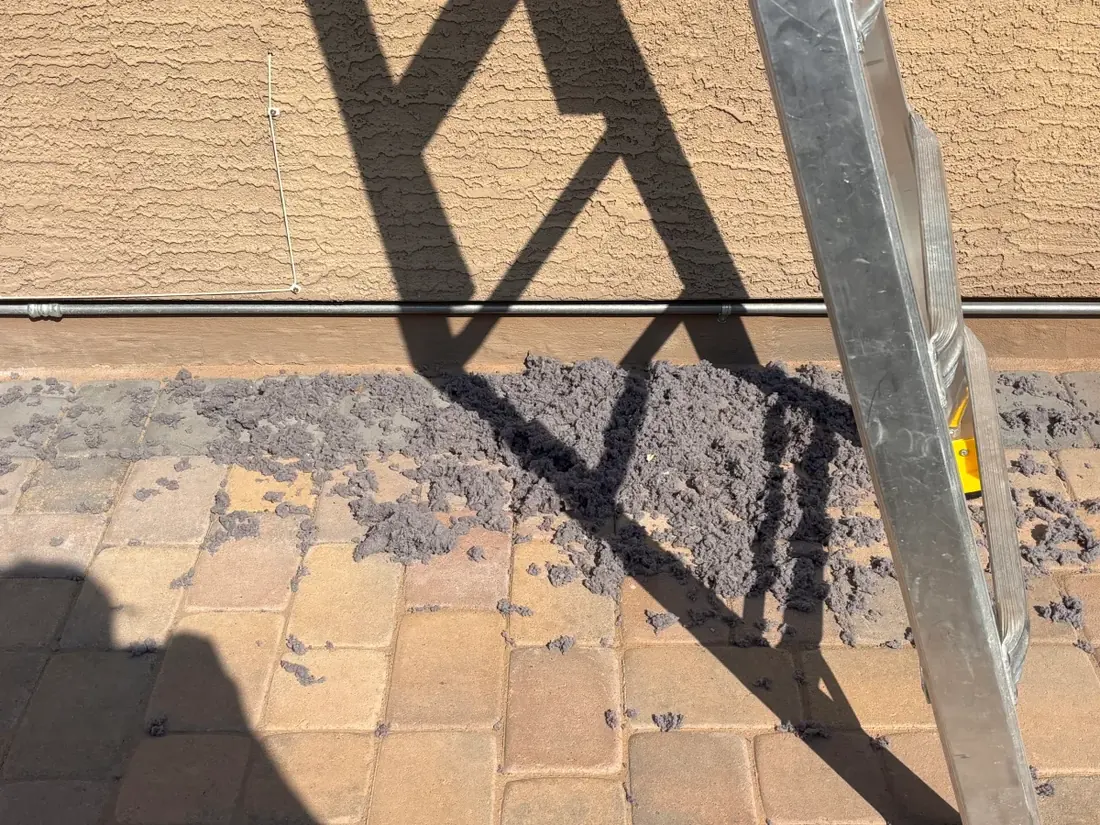
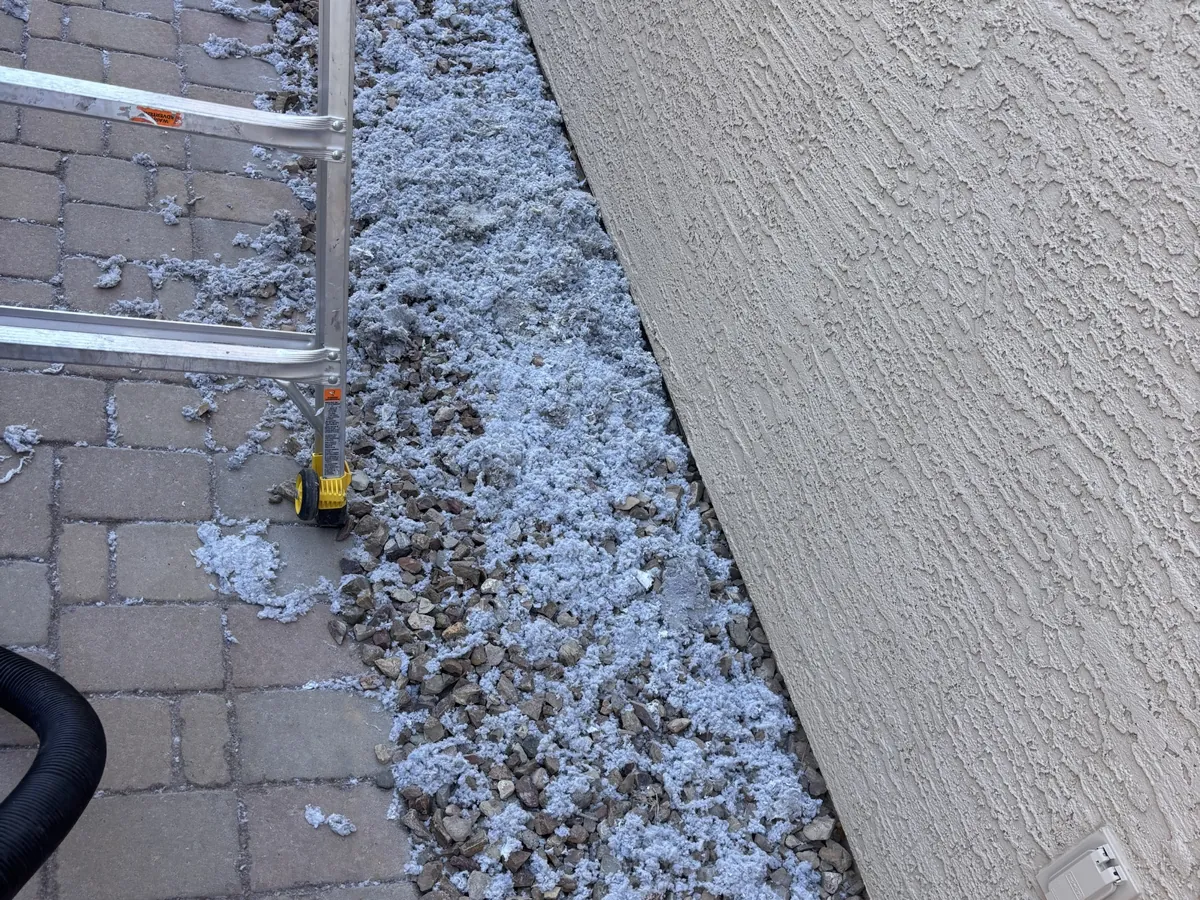
A lot of vent hoods come with a screen or a cage over the opening. It keeps birds out, and it also catches lint on every load, because lint is exactly the size to pack into mesh. Once those holes fill, the dryer is pushing against a clogged screen every cycle.
An open flap with no cage is what you want. A damper that opens with the airflow and falls shut when the dryer stops, with nothing for lint to grab.
Birds are a real concern, but cleaning handles that better than a screen does. Every ten months or so, and again after a place has sat empty, which matters in Tolleson if you travel or you are only here part of the year. A vent that has not run in a month is what a bird is looking for, and a cleaning clears the nest and the lint in one visit.
Apartment and condo communities, HOAs, student housing, senior living, laundromats, gyms, and any property running dryers that somebody else is responsible for.
Modern dryers monitor their own airflow and throw a code when the duct is restricted. Whirlpool and Maytag show F29, LG shows d80, d90, or d95, Samsung shows dC, and GE flashes a clogged vent light. Others just stop mid-cycle or run cool, and the tenant calls it a broken dryer.
Those work orders are almost always the vent line, not the machine. Sending an appliance tech means paying a service call to be told the duct is packed. On a property with in-unit laundry, a cleaning cycle clears a run of those tickets at once, and the per-unit record tells you which units were already flagged.
If a unit codes again after we clean it, that one is the machine, and it shows on your record as flagged so you are not guessing.
In a rental or a shared building, nobody owns the vent. Tenants assume it was handled before they moved in. Owners assume the manager schedules it. Managers assume it was in the last contract. The run sits there collecting lint through tenant after tenant, and the first anyone hears about it is a complaint about dry times or, worse, a fire.
Multi-unit buildings also tend to have the longest and most bend-heavy runs, since laundry closets get placed where the floor plan allowed rather than where venting is easy. Stacked units sharing vertical chases are the hardest of all, and the least likely to have ever been serviced.
Arizona has no law requiring dryer vent cleaning, and we would rather say so plainly than suggest otherwise. Three things do apply: the building code governing vent installation, the landlord obligation under ARS 33-1324 to keep supplied appliances in good and safe working order, and any documentation your insurance carrier requires.
That last one is usually the real driver. Lint is combustible, restricted airflow makes a dryer run hotter than it was designed to, and failure to clean is the leading contributing factor in dryer fires. For a board or an owner, the exposure is not the cleaning, it is being unable to show the cleaning happened.
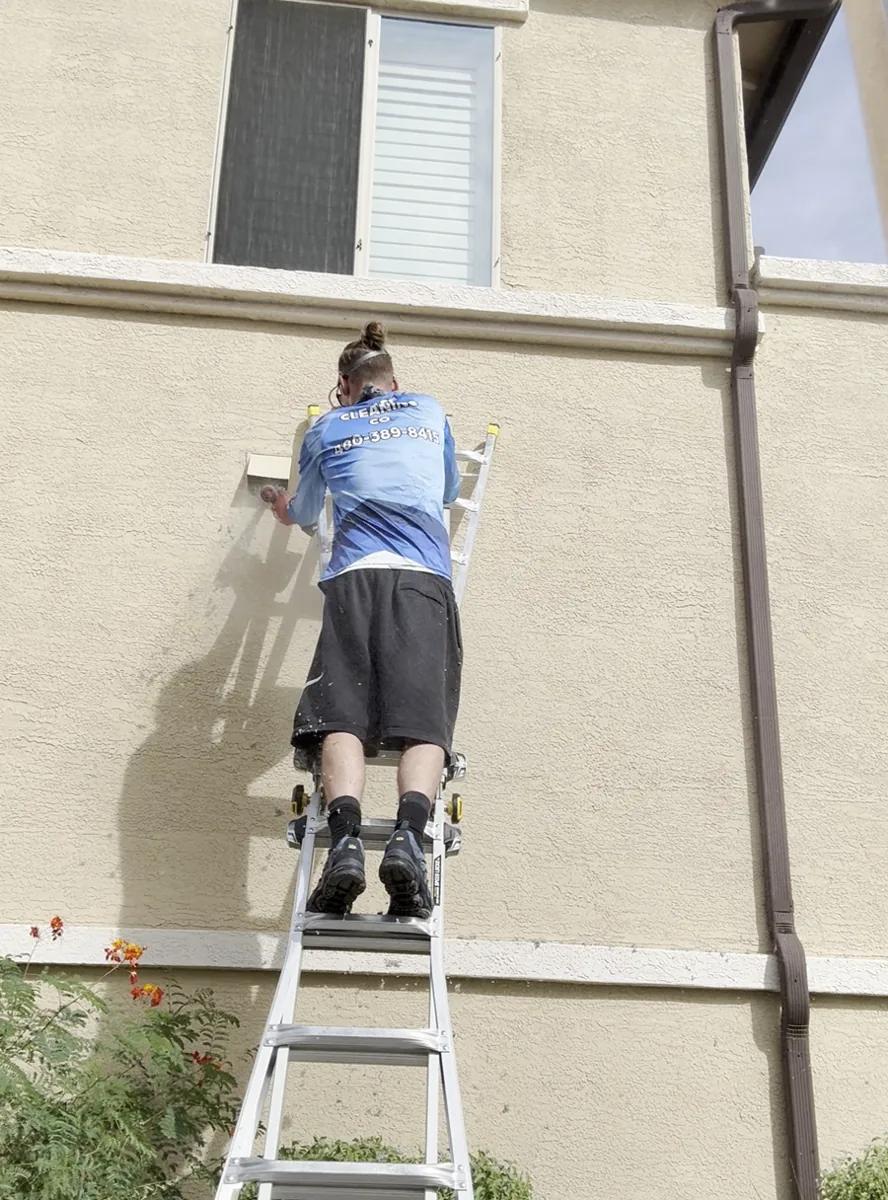
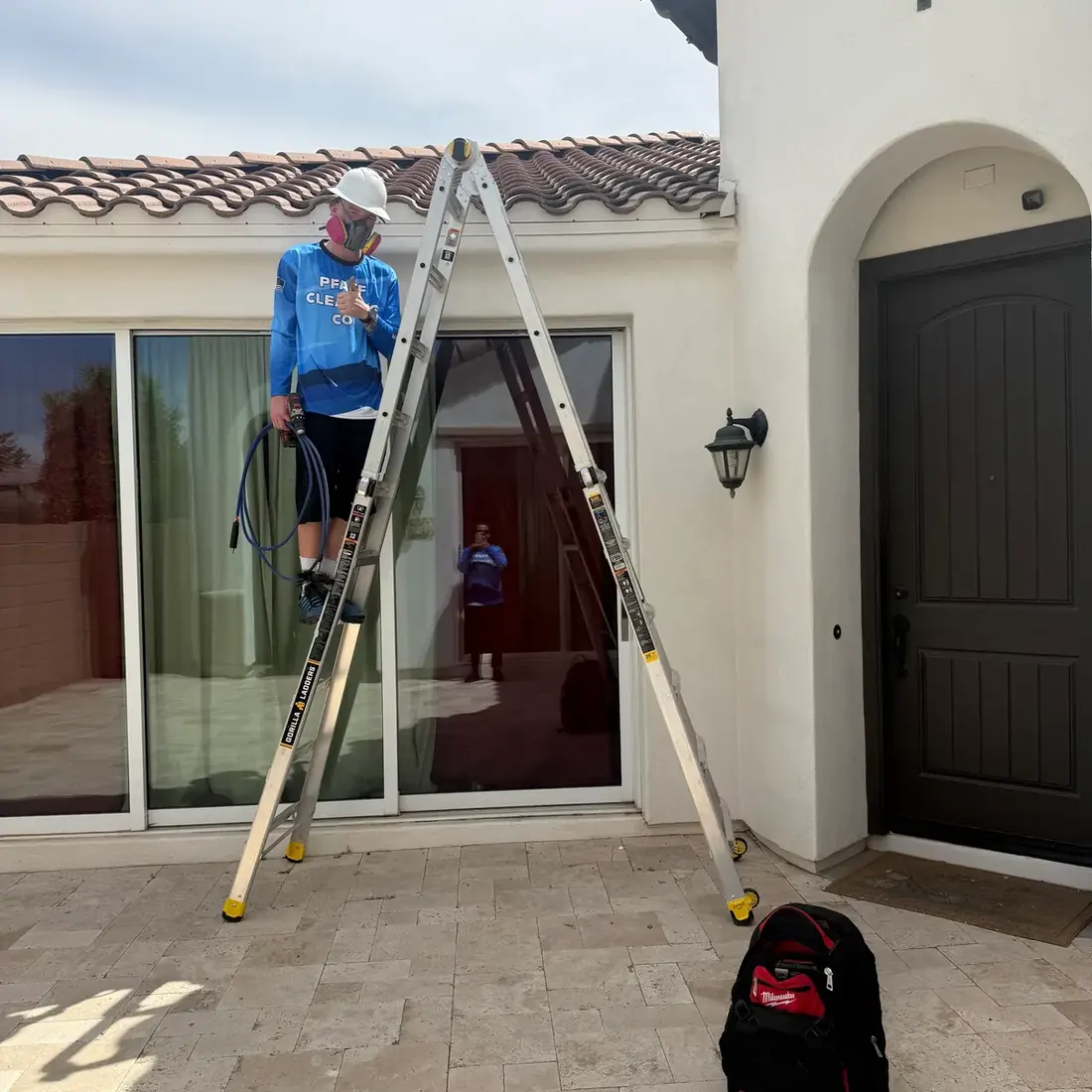
Ground and second level vents are usually reached from outside with our 22-foot ladder, so most of the time nobody has to be home, and that covers most of the units on most properties in the Valley. When a vent cannot be reached safely from outside, because it sits unusually high or the ground below has a slope, patio cover, pool, or dense landscaping, we flag it before the quote and service it from inside the unit.
Above the second level, the work moves indoors. A boom lift is theoretically an option and practically a bad one, since getting it into position means crossing irrigation, pavers, and whatever landscaping the property spent money on. So those vents get serviced through the unit, which means a resident present, maintenance letting us in, or the unit sitting empty at turnover.
Some buildings skip that problem entirely by running every dryer vent up through the roof. When those terminations are safely reachable from the roof, every unit gets serviced from outside no matter what floor it is on, nobody has to be home, and it all prices at the standard per-unit rate. Tell us how your vents terminate when you count units, since it can change the quote in your favor.
That is a calendar problem, not a technical one, and it is entirely manageable when it is known before the quote goes out. It becomes a problem when a vendor prices the property as if every vent is reachable from a ladder, hits the upper floors, and returns looking for a change order. You are the one who has to take that to an owner.
Which is why we want the floor count alongside the unit count. The access assumptions end up written into the number you are given, not discovered halfway through.
Worth coordinating if you can: having maintenance or staff switch the dryers on unit by unit as we work through the building gets you the best result. It helps, it is never required, and it never changes the price.
Scope is limited to individual dryer and HVAC systems. Rooftop package units, chillers, and built-up air handling equipment are outside what we take on, and we would rather say that than send someone who has never opened one.
Every visit ends with a dated list keyed to unit numbers, marking each one as done, unreachable, or needing attention. That third category is the one that matters. A crushed run inside a chase, a disconnected section, or vinyl transition hose that should never have been installed are repairs, and they get written down rather than cleaned around and forgotten.
For a board or an owner, the exposure was never the cleaning cost. It is standing in front of a carrier or an attorney with a pile of invoices and no evidence of what was actually inspected.
Same published per-unit rates everywhere we work, from the Phoenix Metro to the West Valley and north to Anthem.
Operations that wash uniforms, rags, or workwear run dryers far harder than residential use, and the lint from heavy fabric is dense and fast to accumulate. Those vent lines can load up in months.
Tolleson's position in the middle of an industrial corridor also means heavy airborne dust and debris reaching exterior terminations, well beyond what a residential neighborhood sees.
Laundry operations price per machine at published rates. For facilities running heavy volume, we will tell you honestly whether a single annual visit is enough or whether the line needs attention more often.
Since December 2024, Pfaff Cleaning Co. has completed 500+ jobs across the Phoenix Metro, and we are still at a 5.0 on Google.
📍 99th Avenue corridor 📍 Downtown Tolleson 📍 Van Buren corridor 📍 Nearby Tolleson communities
Zip codes served: 85353
We service commercial dryer vents in Tolleson and across the Phoenix metro. See the full commercial service area.
More services in Tolleson: commercial sanitizing · commercial carpet cleaning · commercial hard floor cleaning · commercial upholstery cleaning · commercial window cleaning
Enter your unit count for a price at published rates, or call (480) 389-8415 to schedule in Tolleson.
Please reach us at (480) 389-8415 if you cannot find an answer to your question.
Jobs under $5,000 are paid the day of service, once the work is done and you have seen it. We send a payment link, so nobody has to hand a card to a technician. Card, ACH, check, or Zelle on those, and we do not add card fees. Jobs over $5,000 and janitorial programs run Net 30, paid by ACH or check, since card fees at that size are real money and Zelle limits are set by your bank, not ours.
Yes, apartment communities, condos, HOAs, student housing, senior living, laundromats, and any multi-unit property in Tolleson and the surrounding Phoenix metro.
Yes, on every unit, included in the per-unit price. The lint screen misses more than people think, and what gets by settles into the housing below, where nobody looks. It is one of the most common places a restriction starts.
For the best result, yes. The dryer airflow pushes loosened lint all the way out of the line. If nobody can switch them on, we work each line loose first and then send a reverse air ball down it on rods to push the lint out. The price does not change. If management can coordinate it, it is worth doing.
No, the per-unit rate covers the full vent line and the vent cover on the outside wall. Lint trap housing cleaning is available at $98 per unit, on whichever units you want it.
Yes, at $98 per unit. We swap old foil or vinyl hose for semi-rigid aluminum custom fit to the space, backed by our secure connection guarantee. If a connection we made comes loose, we come back and fix it free.
Usually the floor stops mattering. If the roof terminations are safely reachable, we service every unit from outside at the standard per-unit rate, with no interior access needed.
$79 at 10 to 49 units, $69 at 50 to 99, and $59 at 100 or more. Stacked units needing interior access are $99. Laundromats are $65 a machine.
Every visit ends with a dated list keyed to unit numbers, showing which were completed, which could not be reached, and which need repair. That is what a carrier or an owner actually asks to see.
First and second floor is usually exterior work off our 22-foot ladder, so nothing needs scheduling. If a vent sits unusually high, the ground below it is not safe for a ladder, or it is above the second floor, we usually need to get inside the unit, which is the part we schedule with management, unless every vent ends on a roof we can reach.
Where the roof is safely accessible, yes. On taller buildings we clean the full run from inside instead.
We report it rather than cleaning around it. A disconnected run in a chase, a crushed duct, or a vinyl transition hose is a repair, not a cleaning, and we will say so.
No, and there is no commitment discount either. Your tenth visit is priced the same as your first. Unit count alone sets the rate.
$750 per commercial visit. Any property at 10 units or more clears it on vents alone.
No walkthrough needed for this one. Put in your unit and floor count and the quote tool gives you the number, then sends it over with your details filled in.