
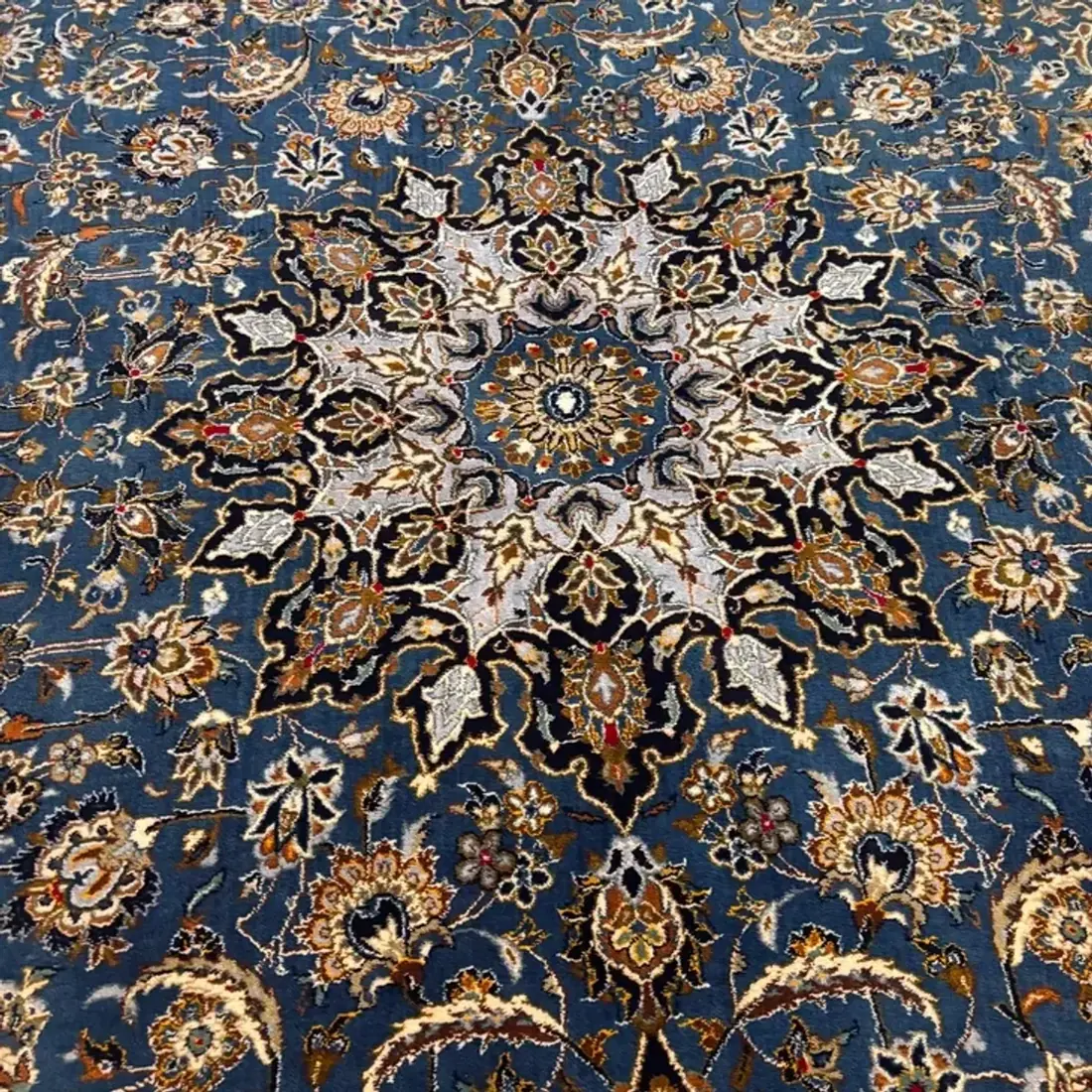
Gilbert has grown into one of the largest and most varied residential communities in the Valley, and that shows up clearly in the range of area rugs sitting on floors across town. A newer build in Cadence or Val Vista Lakes is more likely to have a large machine-made synthetic rug. A home near Historic Downtown Gilbert is more likely to have an older wool rug, sometimes hand-knotted, sometimes inherited. Both need professional cleaning eventually. Neither should be cleaned the same way.
Why Gilbert Homes Need It More Than People Expect
In newer builds, rugs often sit directly on tile or luxury vinyl plank in open-concept spaces, which means every bit of dust and debris tracked in settles into the rug rather than getting distributed across wall-to-wall carpet. In older homes, rugs are more likely layered over carpet or hardwood, which traps allergens between two layers instead of one.
Add Gilbert's dust load, significant even by Valley standards given the undeveloped desert still bordering newer subdivisions, and rugs end up working as a filter for a home's foot traffic.
Pets are another factor. Many newer communities were built with dog parks and larger yards as selling points, which means more pets per household and more opportunity for dander, hair, and the occasional accident to work into rug fibers.
What Happens During Professional Rug Cleaning
The process starts before any solution touches the rug, with an assessment of material and construction. Wool, synthetic fiber, jute, and natural fiber blends all react differently to moisture, heat, and cleaning agents. A hand-knotted rug or one with natural dye is handled with more caution than a machine-made synthetic, since natural dyes can bleed and hand-knotted construction can be damaged by aggressive agitation.
Colorfastness testing comes next, on a small inconspicuous area, which catches dye or fiber issues before they become a problem across the whole piece.
From there the cleaning removes embedded dirt, dust, and allergens from the base of the fibers. Depending on condition and material, this may happen on-site, or the rug may be better served off-site where it can be more thoroughly rinsed and given proper drying time.
Common Rug Problems We See in Gilbert
Dulling and flattened pile. High-traffic rugs in open-concept living areas lose color and texture faster than people expect, mostly from ground-in dirt acting like sandpaper.
Pet odor and staining. Worth treating the same way pet odor on carpet is treated, since the same wicking and bacterial buildup happens in rug fibers and backing.
Fringe damage on wool and natural fiber rugs. Frequently cleaned incorrectly by DIY methods or general-purpose services that do not account for how fragile fringe is compared to the body of the rug.
Odor from being layered over other flooring. Rugs over carpet or older hardwood can trap moisture and dust between layers, producing a musty smell homeowners assume is coming from underneath.
How to Tell If Your Rug Needs Cleaning Now
- The color looks flatter than you remember. One of the first signs of ground-in dirt, and it happens well before a rug looks obviously dirty.
- It smells different when walked on. A faint smell more noticeable after activity points to dust, dander, or trapped moisture being disturbed.
- Allergy symptoms are worse in rooms with rugs. Embedded allergens are a common and overlooked contributor.
- The rug feels stiff or crunchy in spots. Usually dried spills, mineral deposits, or pet residue built up in that area.
- It has been more than a year, or you are not sure. Vacuuming maintains a rug between cleanings but does not reset the clock on deeper buildup.