
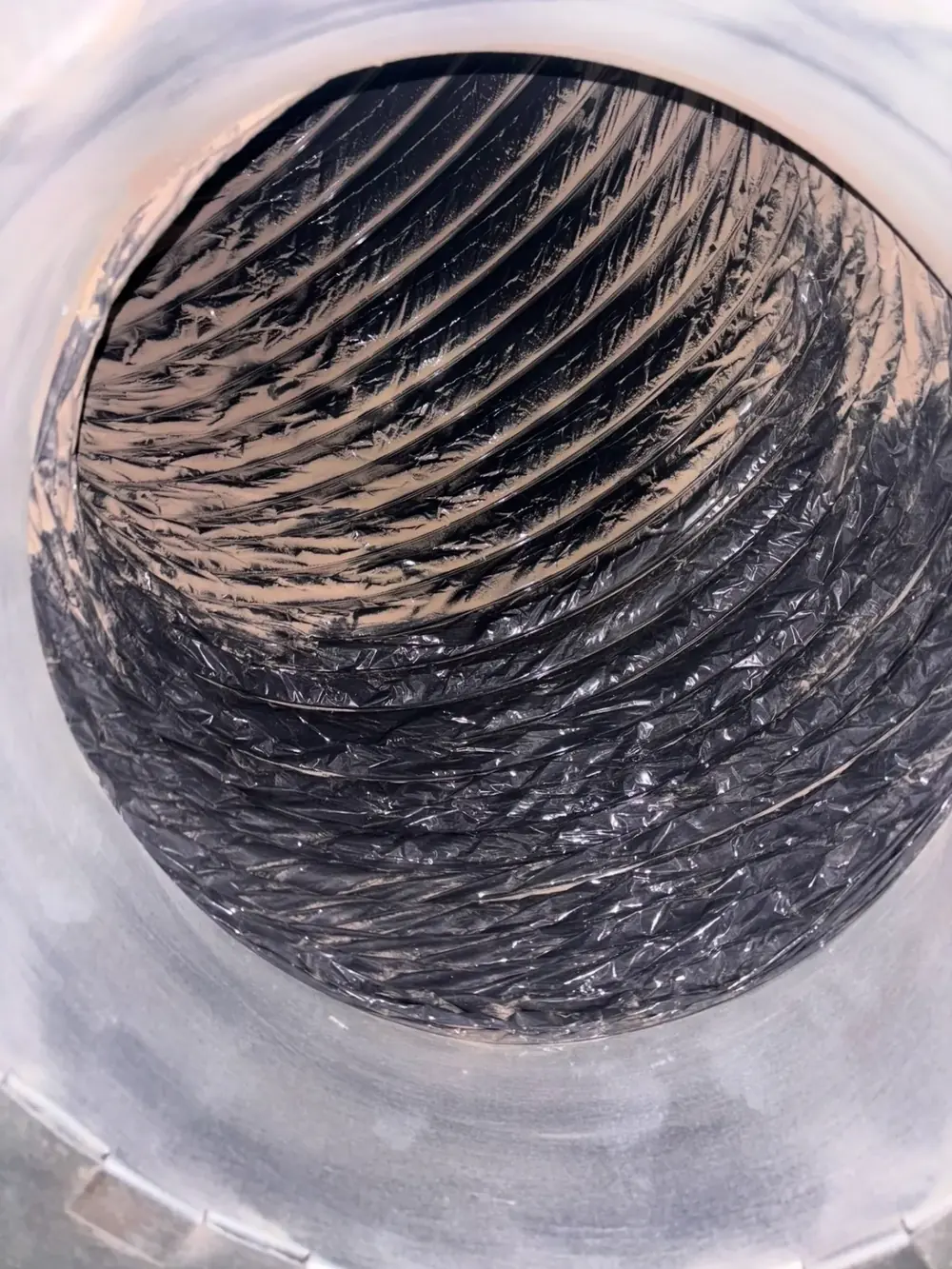
You pull off a vent cover to wipe it down and there it is: a soft gray coating of dust that built up again in what feels like no time. It is fair to wonder whether you could tackle the whole thing yourself. Some of it you absolutely can, and doing it regularly makes a real difference. But part of the system is genuinely out of reach without the right equipment.
Why This Matters More Here
Your HVAC system recirculates the air in your home over and over, all day, every day it runs. In Arizona, where the AC is part of the family from May through September, whatever is in your ductwork is getting pushed back into every room for months on end.
Add what is blowing around outside: fine desert dust that never fully settles, monsoon storms that kick up dust walls, windows cracked open on the rare mild day. Homes here accumulate buildup faster than homes in most other climates.
What You Can Genuinely Handle
Wiping down vent covers. Microfiber every couple of weeks, vacuum the grate with a brush attachment, or pop metal and plastic covers off and run them through the dishwasher. For stubborn buildup, soak in hot soapy water. None of this touches the ductwork, but it cuts down on how much dust gets stirred back into the room when the system kicks on.
Staying on top of your filter. The one thing worth actually committing to. Single person no pets, every 6 to 12 months. Family home no pets, every 3 to 4 months. Pets, every 2 months. Allergy or asthma concerns, every 2 months. Pets plus allergies, monthly.
A lot of Valley homes should lean toward the more frequent end no matter which category they fall in, simply because the AC runs so much longer here. Checking monthly and swapping when it looks visibly gray beats sticking rigidly to a calendar.
Cutting dust before it reaches the ducts. Vacuum with a HEPA filter if you have one, dust blinds and upholstered furniture where allergens collect, put sturdy mats at entry points, and keep indoor humidity near 45 percent if you can, since dry air creates static that attracts dust.
The Part That Needs a Professional
The access problem. Ductwork runs through attics, behind walls, and through spaces never designed for a person to be in regularly. Arizona attics in July are not just uncomfortable, they can become dangerous for any extended period.
The equipment gap. A shop vac is not built to dislodge buildup stuck to the interior walls of a duct. It only pulls out what is already loose. Cleaning properly means physically agitating the buildup loose from the inside, then pulling it out rather than shifting it further down the line.
The risk to your system. Poking around inside ductwork can knock loose duct seams, damage insulation, or create leaks you will not notice until a room stops cooling evenly.
How We Approach It
For the accessible parts of your ductwork we use flexible whip tools, a reverse air ball attachment, and compressed air to agitate and dislodge buildup settled deep inside the duct walls, then vacuum it out at each individual register so it does not resettle further down the line. Every visit starts with an inspection and ends with a walkthrough of what we cleaned. If your system genuinely does not need cleaning yet, we will tell you that too.
Signs It Is Actually Time
Dust that reappears almost immediately after cleaning. Musty or stale smells when the HVAC kicks on. Noticeably weaker airflow from certain vents. Visible debris around registers. Recent renovation or construction dust. Moving into an older home with unknown maintenance history.