
Booking air duct cleaning for the first time comes with a handful of practical questions that do not get answered by most of the general "why you need this" content out there. How long will someone actually be in my house? Do I need to be home the whole time? What does the process even look like, step by step?
How Long a Typical Job Takes
For an average Valley home, professional air duct cleaning generally takes between two and four hours, depending on the size of the home, the number of supply and return vents, and how much buildup has accumulated in the system. A smaller home with a straightforward single-story layout and fewer vents will land on the shorter end. A larger home, a more complex duct layout, or a system that has not been cleaned in many years will take longer.
Homes with multiple HVAC zones, which is common in larger Valley properties, will take longer since each zone is essentially its own duct system requiring its own cleaning pass.
What the Process Actually Looks Like
- Initial walkthrough and inspection. Before any equipment is set up, we walk the home, locate all supply and return vents, and get a sense of the duct layout and condition. This is also when pre-existing issues, like a disconnected duct run or water damage near a vent, get identified.
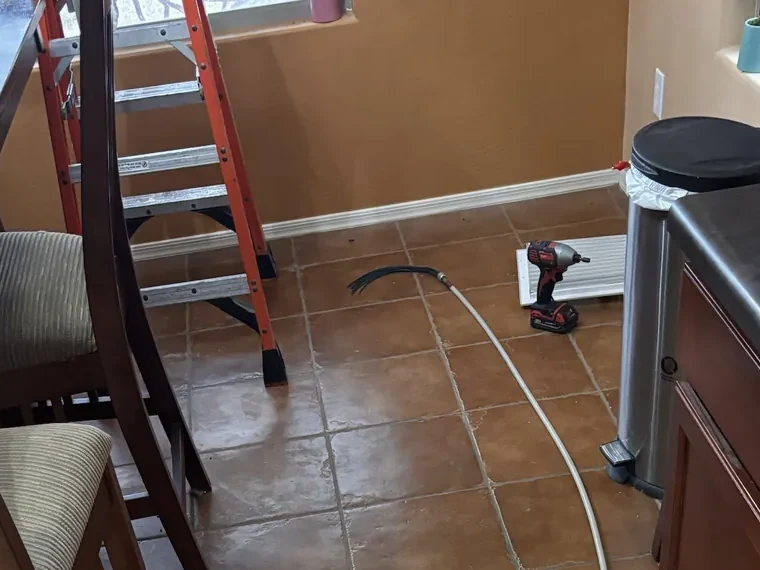
- Equipment setup and home protection. Flooring and nearby furniture in the work area get protected, since this step involves some dust regardless of how well contained the equipment is.
- Cleaning the supply and return runs. Each vent is individually agitated and vacuumed to dislodge buildup along the duct walls. This is the part that takes the most time, since it is done vent by vent rather than as one pass through the whole system.
- Cleaning the main trunk line. The primary duct running from the HVAC unit through the house gets its own pass, since it holds a larger volume of debris than any individual branch.
- Checking the HVAC unit itself. Depending on scope, this includes a look at the blower components and coil area, since debris there affects airflow separately from what is in the ductwork.
- Final walkthrough. Vents properly reassembled and anything moved put back.
Do You Need to Be Home?
Being home is not strictly required once the walkthrough is complete, but most homeowners choose to be present, particularly for a first cleaning, so they can see what actually comes out of the system. You should expect a clear look at the collected debris and a summary of what was found, not a "looked fine" and an invoice. If being present for two to four hours is not practical, coordinating access and a follow-up conversation is a normal alternative.
What Affects the Timeline Beyond Home Size
How long it has been since the last cleaning. A system that has never been professionally cleaned has more accumulated buildup and takes longer to clear.
Recent construction or renovation. Drywall dust and general construction dust in the ductwork extend the cleaning time.
Pet hair and dander volume. Households with multiple pets have heavier buildup, particularly around return vents.
Register access. Vents and returns that are easy to reach go faster than ones blocked by furniture or set high on a wall.
What a Rushed Job Looks Like
A duct cleaning that is genuinely thorough takes real time because it involves working each vent and run individually. A job completed in well under an hour for an average-sized home is a signal that some portion of the ductwork was not properly cleaned, since there is not enough time in that window to clear each supply and return line with proper equipment.
How to Prepare Before the Appointment
- Clear access to each vent. Furniture, rugs, or decor sitting in front of supply and return vents should be moved beforehand if possible.
- Note any rooms with known airflow issues. If a room has always felt warmer, or a vent has never blown as strongly, mention it during the walkthrough.
- Plan for pets to be secured elsewhere. Equipment noise and open access panels are not ideal around animals.
- Decide whether you will be present for the full appointment. Sort access out ahead of time rather than the morning of.
- Have your HVAC filter ready to replace. A fresh filter after cleaning is the better sequence.